Third-Party Integration for OpenEMR
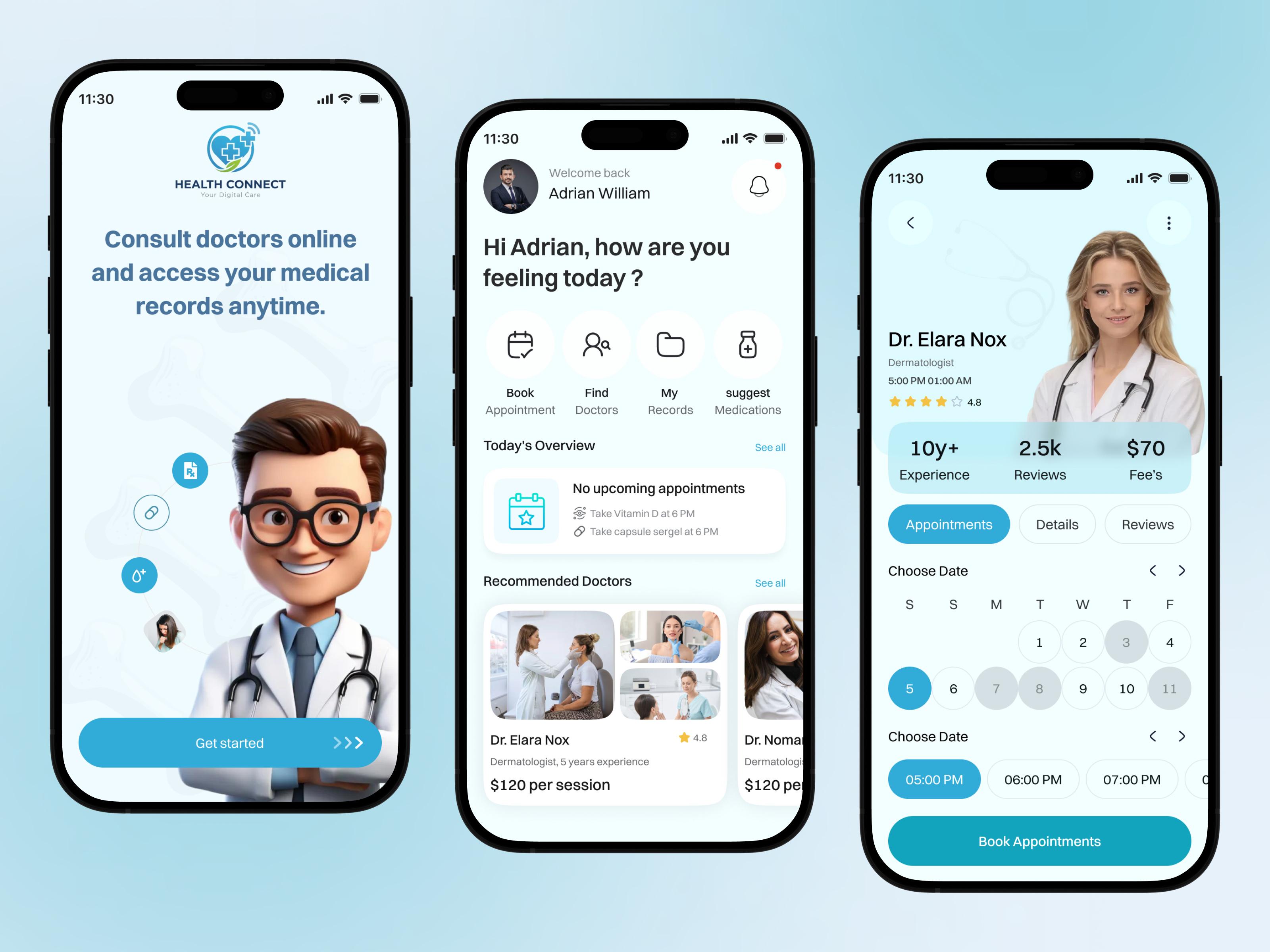
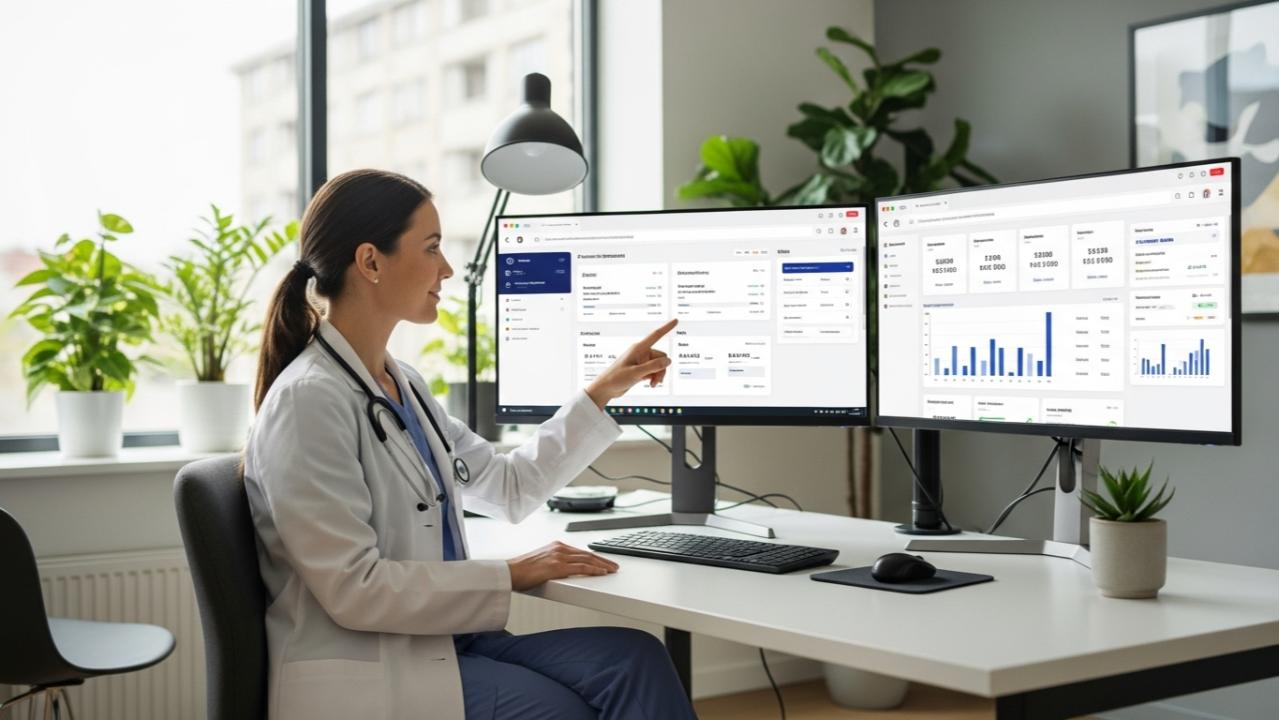
Third-party integration involves incorporating external software or services into your existing EMR package. These integrations can include billing systems, appointment scheduling applications, telemedicine platforms, laboratory systems, patient portals, payment gateways, and analytics tools. By connecting these services with OpenEMR, healthcare organizations can improve efficiency, reduce manual work, and deliver better patient care.
Benefits of Third-Party Integration
Integrating third-party services into OpenEMR provides healthcare organizations with additional capabilities that improve both clinical and administrative operations.
Expanded Functionality
Integrating third-party services adds new features and capabilities to your EMR system, allowing healthcare providers to tailor their workflows according to their specific requirements. For example, integrating a telemedicine platform enables remote consultations and expands access to healthcare services for patients.
Improved Efficiency
By seamlessly connecting additional services, tasks such as appointment scheduling, billing, prescription management, and patient communication become more streamlined. This integration reduces manual data entry, minimizes errors, saves valuable time, and improves overall productivity for healthcare staff.
Enhanced Patient Care
Access to specialized third-party applications enables healthcare providers to deliver more personalized and comprehensive patient care. For example, integrating patient engagement platforms allows better communication between healthcare providers and patients through appointment reminders, follow-up notifications, and educational resources.
Data Insights
Integration with analytics and reporting tools provides valuable insights into patient populations, treatment outcomes, financial performance, and operational efficiency. These insights help healthcare organizations make informed decisions, improve workflows, and enhance the quality of patient care.
Our Considerations for Integration
Successful third-party integration requires careful planning to ensure security, reliability, and long-term performance.
Compatibility
Ensure compatibility between your OpenEMR system and third-party applications to enable seamless communication and smooth data exchange. Proper compatibility helps avoid integration issues and improves workflow efficiency.
Security and Compliance
Protecting patient information is always a top priority. When integrating third-party services, choose trusted vendors that follow healthcare security standards and implement strong data protection measures to maintain compliance with healthcare regulations such as HIPAA.
User Training and Support
Provide healthcare professionals with comprehensive training and ongoing support to help them use integrated applications effectively. User-friendly interfaces, documentation, and technical assistance ensure successful adoption across the organization.
Summary
Third-party integration extends the capabilities of OpenEMR by connecting healthcare organizations with specialized applications for billing, scheduling, telemedicine, analytics, and patient engagement. With proper planning, secure implementation, and user training, healthcare providers can improve operational efficiency while delivering higher-quality patient care.
Conclusion
Integrating third-party services into your OpenEMR package offers numerous advantages, including expanded functionality, improved efficiency, enhanced patient care, and valuable business insights. By focusing on compatibility, security, compliance, and user training, healthcare organizations can maximize the value of their EMR systems and build a more connected, efficient, and patient-centered healthcare environment.
Summary
Benefits of Third-Party Integration