What is Liver Cancer?
Introduction
Liver cancer is a rapidly growing and life-threatening disease with two primary forms: primary liver cancer and secondary liver cancer. Primary liver cancer begins in the liver, whereas secondary liver cancer develops when cancer spreads to the liver from another part of the body.
Early detection plays a critical role in successful treatment. Healthcare providers focus on identifying individuals at increased risk so that primary liver cancer can be diagnosed and treated as early as possible.
Types of Primary Liver Cancer
There are several types of primary liver cancer, each affecting the liver differently.
Hepatocellular Carcinoma (HCC)
Hepatocellular Carcinoma (HCC) is the most common form of liver cancer and accounts for the majority of primary liver cancer cases. It develops in the main liver cells known as hepatocytes.
Intrahepatic Cholangiocarcinoma (IHC)
Intrahepatic Cholangiocarcinoma (IHC) is a type of bile duct cancer that develops within the liver. It represents approximately 10% to 20% of all primary liver cancer cases.
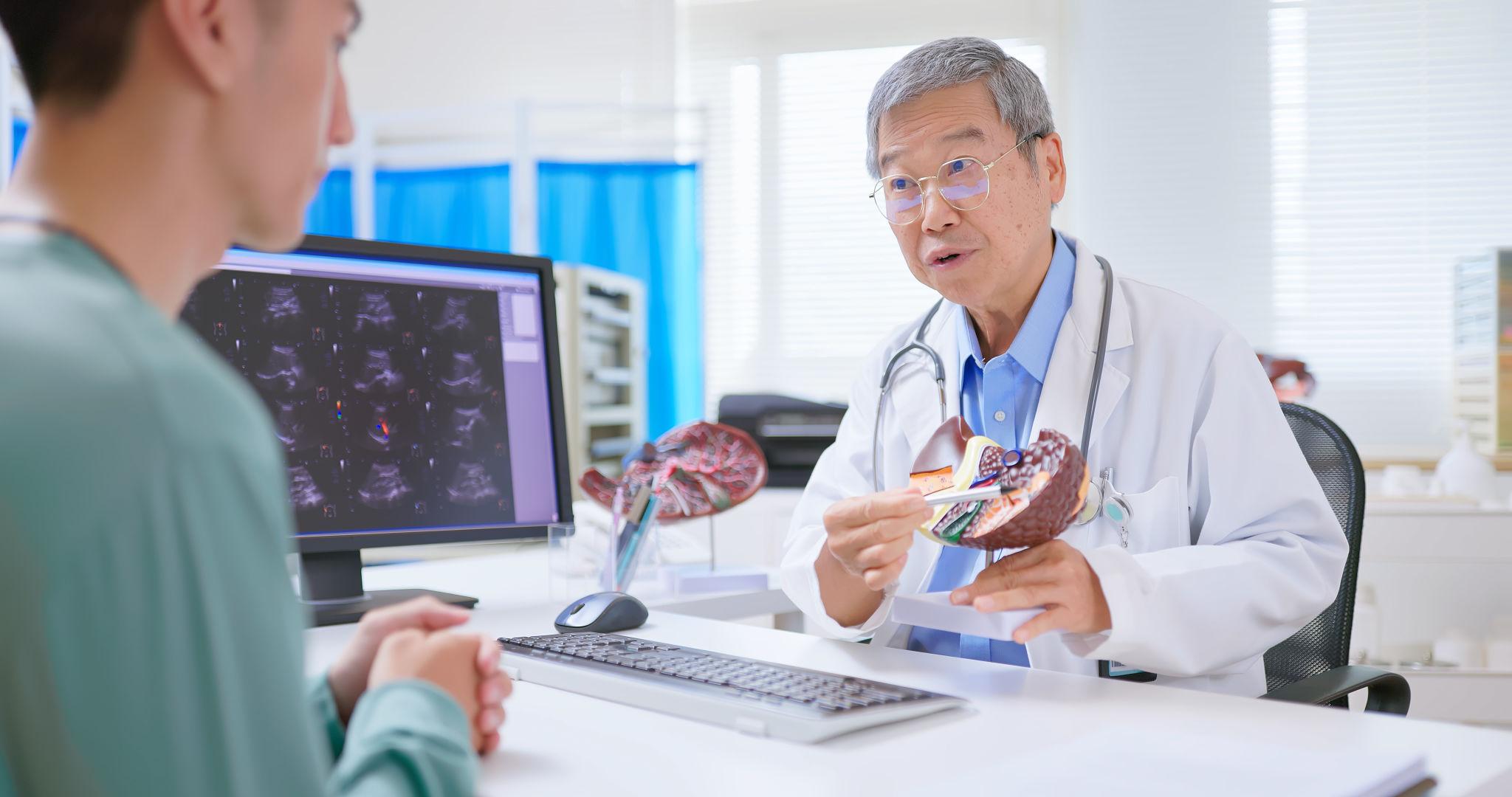
Primary liver cancer starts in the liver, while secondary liver cancer spreads to the liver from another organ.
Angiosarcoma
Angiosarcoma is a rare form of liver cancer, accounting for approximately 1% of primary liver cancer cases. Although uncommon, understanding this type helps increase awareness of less frequent liver cancers.
The Importance of the Liver
The liver is the largest internal organ in the human body and performs many essential functions, including:
- Filtering blood from the intestines.
- Processing and storing nutrients.
- Producing bile to help digest fats.
- Producing proteins that support normal blood clotting.
Symptoms of Liver Cancer
Liver cancer often produces few or no symptoms during its early stages. Both Hepatocellular Carcinoma (HCC) and Intrahepatic Cholangiocarcinoma (IHC) commonly share the following symptoms:
- A lump below the rib cage.
- Pain on the right side of the abdomen.
- Pain near the right shoulder.
- Jaundice (yellowing of the skin and eyes).
- Unexplained weight loss.
- Nausea or loss of appetite.
- Fatigue.
- Dark-colored urine.
Causes of Liver Cancer
Liver cancer develops when liver cells undergo abnormal DNA changes that cause uncontrolled growth.
DNA contains the genes responsible for controlling how cells grow, divide, and die. Normally, oncogenes help cells grow, while tumor suppressor genes regulate cell activity and prevent uncontrolled cell multiplication.
When DNA mutations occur, oncogenes become overactive and tumor suppressor genes stop functioning properly, allowing cancer cells to develop.
Research shows that liver cirrhosis associated with Hepatitis B Virus (HBV) and Hepatitis C Virus (HCV) is responsible for more than half of all Hepatocellular Carcinoma (HCC) cases.
Stages of Liver Cancer
Healthcare providers classify liver cancer into stages to determine how far the disease has progressed.
Initial Stage (Very Early Stage)
The liver contains a single tumor measuring less than 2 centimeters, and bilirubin levels remain normal.
Stage A (Early Stage)
A single tumor measures 5 centimeters or less, or multiple tumors measure less than 3 centimeters. The cancer may have spread into nearby blood vessels.
Stage B (Intermediate Stage)
There may be multiple tumors, including tumors larger than 5 centimeters. Cancer may also involve nearby lymph nodes, large blood vessels, or surrounding structures.
Stage C (Advanced Stage)
Cancer has spread beyond the liver to other organs such as the lungs, bones, or lymph nodes.
Prevention
Although liver cancer cannot always be prevented, several healthy lifestyle choices can significantly reduce the risk.
- Avoid behaviors that may lead to liver cirrhosis.
- Maintain a healthy body weight.
- Consider receiving the Hepatitis B vaccine.
- Speak with your healthcare provider about the Hepatitis A vaccine.
- Take precautions to reduce the risk of Hepatitis C infection.
- If you have liver disease, diabetes, obesity, or consume excessive alcohol, discuss regular liver cancer screening with your healthcare provider.
Summary
Liver cancer is a serious disease that often develops without noticeable symptoms during its early stages. Understanding its types, symptoms, causes, and risk factors can support early diagnosis and timely treatment. Maintaining a healthy lifestyle, preventing viral hepatitis, and attending regular medical screenings can help reduce the risk of liver cancer and improve long-term health outcomes.
Conclusion
Primary liver cancer is a serious and life-threatening disease that is often diagnosed at an advanced stage, limiting available treatment options. Healthcare providers play a vital role in managing symptoms, slowing disease progression, and supporting patients throughout their treatment journey. If you are diagnosed with liver cancer, discussing available treatment options, expected benefits, and possible side effects with your healthcare provider can help you make informed decisions about your care.
Summary
Introduction