
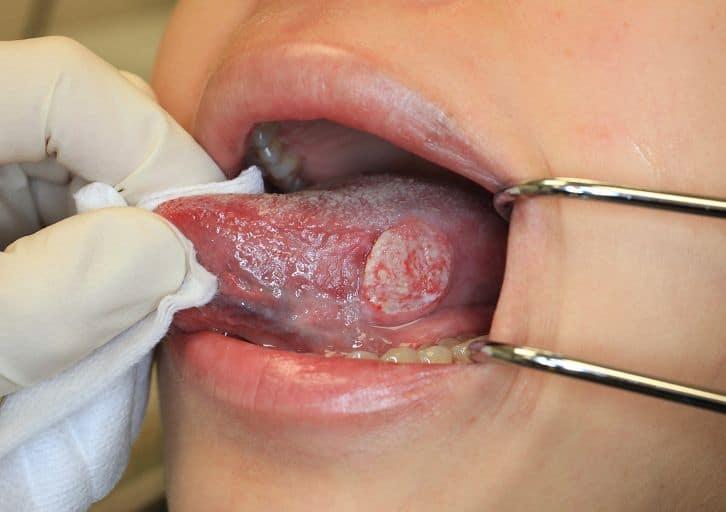
What Is Tongue Cancer?
Introduction
Tongue cancer is a type of oral (mouth) cancer that develops when cells in the tongue grow uncontrollably and form a tumor. Like many other cancers, tongue cancer occurs when abnormal cells multiply without control. Although it is less common than many other types of cancer, it primarily affects older adults and is rarely seen in children.
Early diagnosis plays a vital role in successful treatment and improving survival outcomes.
Types of Tongue Cancer
There are two main types of tongue cancer.
Oral Tongue Cancer
Oral tongue cancer develops in the front portion of the tongue—the part that extends outside the mouth when the tongue is protruded.
Oropharyngeal Carcinoma
Oropharyngeal carcinoma develops at the base of the tongue where it connects to the throat. This type is often diagnosed after it has spread to the lymph nodes in the neck.
Early Signs of Tongue Cancer
One of the earliest warning signs is the appearance of a red or white patch, a lump, or a sore on the side of the tongue that does not heal over time.
Symptoms of Tongue Cancer
Common symptoms include:
- Pain or discomfort in the tongue.
- Persistent sore throat.
- Changes in the voice, including hoarseness.
- Difficulty moving the tongue or opening the mouth.
- Difficulty swallowing.
- Pain while chewing or eating.
- Unexplained weight loss.
Causes of Tongue Cancer
Several factors may increase the risk of developing tongue cancer.
These include:
- Human Papillomavirus (HPV) infection.
- Tobacco use.
- Poor oral hygiene and unhealthy gums or teeth.
- Chewing betel.
- A personal history of certain cancers.
- Poor dietary habits.
- Genetic factors that may increase susceptibility.
Imaging and Diagnostic Tests
Healthcare providers may use several imaging tests to determine the location and extent of tongue cancer.
These may include:
- CT Scan.
- MRI Scan.
- PET Scan.
- X-rays.
In addition to imaging, tissue samples may be collected using different biopsy techniques.
Brush Biopsy
A stiff brush is rotated over the suspicious area to collect surface cells for laboratory examination.
Incisional Biopsy
A small incision is made in the tongue to remove a tissue sample for microscopic analysis.
Endoscopy
During an endoscopy, a thin tube equipped with a camera and light is inserted through the nose and into the throat to determine whether the cancer has spread to nearby structures.
Stages of Tongue Cancer
After diagnosis, healthcare providers determine the stage of tongue cancer to understand the size of the tumor, whether lymph nodes are involved, and whether the cancer has spread to other parts of the body.
The most commonly used staging method is the TNM System.
T – Tumor
Represents the size and extent of the primary tumor.
N – Nodes
Indicates whether cancer has spread to nearby lymph nodes.
M – Metastasis
Shows whether the cancer has spread to distant organs or other areas of the body.
Each letter is accompanied by a number that provides additional information regarding the extent and severity of the disease.
Treatment for Tongue Cancer
Treatment depends on the size, stage, and location of the tumor.
Common treatment options include:
- Reconstructive surgery.
- Radiation therapy.
- Chemotherapy.
- Targeted therapy.
- Immunotherapy.
Possible Complications
Treatment for tongue cancer may sometimes result in complications, including:
- Heavy bleeding.
- Infection.
- An abnormal opening between the mouth and facial skin (fistula).
- Speech difficulties.
- Difficulty swallowing.
How to Prevent Tongue Cancer
Although tongue cancer cannot always be prevented, several healthy lifestyle choices may reduce the risk.
- Receive the HPV vaccine if recommended for your age group.
- Discuss vaccination and preventive care with your healthcare provider.
- Avoid tobacco in all forms.
- Do not chew betel.
- Limit excessive alcohol consumption.
- Maintain good oral hygiene and healthy gums.
- Schedule regular dental examinations.
Summary
Tongue cancer is a relatively uncommon form of oral cancer that can significantly affect speech, swallowing, and overall quality of life if left untreated. Recognizing early symptoms such as persistent sores, lumps, or red and white patches on the tongue can lead to earlier diagnosis and more effective treatment. Regular dental checkups, healthy lifestyle choices, and avoiding known risk factors can help reduce the risk of developing tongue cancer.
Conclusion
If you notice a lump, sore, or unusual change on your tongue or anywhere inside your mouth, consult your healthcare provider as soon as possible. Early diagnosis greatly increases the chances of successful treatment. Maintaining good oral hygiene, using a quality mouthwash, caring for your teeth and gums, and attending regular dental checkups can help support good oral health and reduce the risk of tongue cancer.
Summary
Introduction