What is Migraine?
Introduction
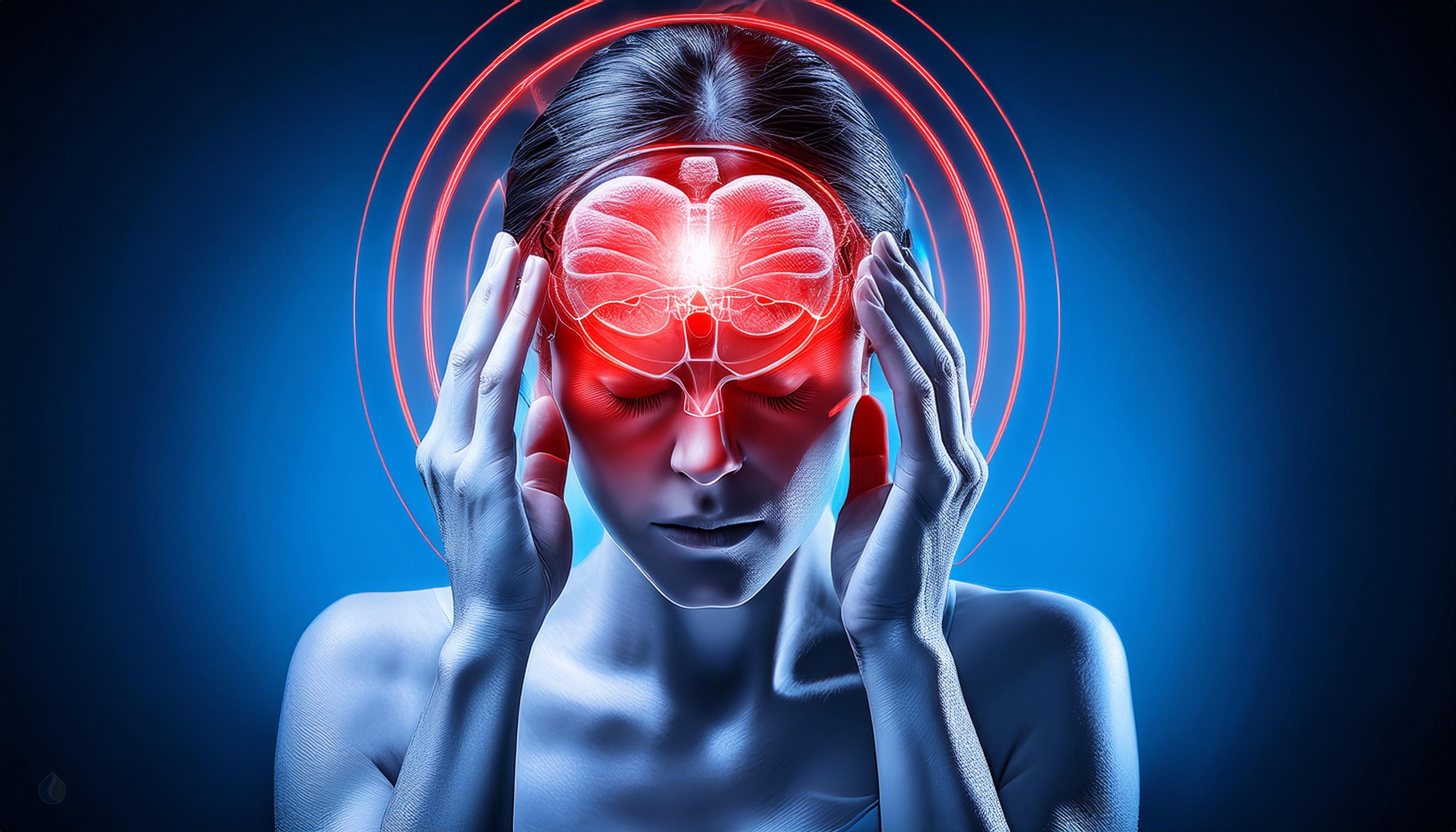
A migraine is a severe headache that causes throbbing pain, usually on one side of the head. A migraine attack may last for four hours or even several days. Physical activity, bright lights, loud noises, strong fragrances, and certain odors can make the pain worse. Migraine is a serious neurological condition that can interfere with daily activities, work, and overall quality of life.
According to research, approximately 12% of people in the United States experience migraines.
Types of Migraine
There are different types of migraine, each with its own characteristics.
Migraine with Aura (Classic Migraine)
This type of migraine is preceded by warning symptoms known as an aura, which may include visual disturbances, speech difficulties, or sensory changes before the headache begins.
Migraine without Aura (Common Migraine)
This is the most common type of migraine and occurs without any warning signs before the headache starts.
Other Types of Migraine
- Migraine in children (Abdominal Migraine)
- Chronic Migraine
- Hemiplegic Migraine
- Menstrual Migraine
- Silent Migraine
- Ocular Migraine
- Status Migrainosus
Phases of Migraine
A migraine attack usually progresses through four different phases.
Prodrome
The prodrome phase commonly begins up to 24 hours before the headache starts. During this stage, individuals may notice early warning signs that a migraine attack is approaching.
Aura
An aura is a group of sensory, motor, or speech symptoms that act as warning signs before or during a migraine attack. The aura phase may last from 5 minutes to 60 minutes, and in some cases, it can occur simultaneously with the headache.
Headache
The headache phase usually lasts between 4 and 72 hours. During this stage, the pain often becomes more intense and may affect one or both sides of the head.
Postdrome
The postdrome stage may last from several hours up to 48 hours. Many people describe this phase as feeling similar to an alcohol-induced hangover. The complete migraine cycle may last anywhere from 8 to 72 hours.
Migraine Symptoms
Migraine symptoms often vary depending on the stage of the attack.
Prodrome Symptoms
- Mood changes
- Difficulty concentrating
- Trouble sleeping
- Fatigue
- Nausea
- Increased hunger and thirst
- Frequent urination
Aura Symptoms
- Muscle weakness
- Vision changes
- Ringing in the ears (Tinnitus)
- Sensitivity to touch
- Numbness and tingling
- Difficulty speaking
- Difficulty concentrating
Headache Attack Symptoms
- Gradually increasing head pain
- Pain affecting one or both sides of the head
- Nausea and vomiting
- Sensitivity to light
- Sensitivity to sound
- Sensitivity to strong odors
Postdrome Symptoms
- Fatigue
- Stiff neck
- Sensitivity to light and sound
- Difficulty concentrating
- Nausea
- Dizziness
What Causes a Migraine?
Researchers are not completely sure about the exact cause of migraines, but studies suggest that genetics may play an important role.
During a migraine attack, specific nerves surrounding blood vessels send pain signals to the brain. This process releases inflammatory substances around the nerves and blood vessels in the head. However, the exact reason why these nerve changes occur remains unclear.
Treatment of Migraine
Although there is currently no cure for migraines, healthcare providers can help manage symptoms and reduce the frequency of attacks through different treatment approaches.
Treatment Options
- Taking prescribed medications.
- Avoiding known migraine triggers.
- Using alternative migraine management techniques recommended by healthcare professionals.
How to Manage a Migraine at Home
There are several simple steps you can take to feel more comfortable during a migraine attack.
- Rest in a dark, quiet, and cool room.
- Apply a cold or warm compress to your forehead or the back of your neck.
- Gently massage your scalp.
- Apply gentle circular pressure to your temples.
- Stay calm and try to relax.
Summary
Migraine is more than just a headache. It is a neurological condition that can significantly affect daily life through severe pain and associated symptoms. Understanding the different types, phases, symptoms, possible causes, and treatment options allows individuals to better recognize migraine attacks and seek appropriate medical care. Lifestyle adjustments, medication, and trigger management can help reduce the impact of migraines and improve quality of life.
Conclusion
You've probably experienced a headache before, but a migraine is different. It can feel overwhelming and make everyday activities difficult. Although migraine symptoms are temporary, the pain and associated discomfort can last for several hours or even days. Fortunately, treatment options are available to help manage migraine attacks and reduce their frequency. Consulting a healthcare provider can help you develop a treatment plan that allows you to control migraines and continue living an active and healthy life.
Summary
Introduction