What is Skin Cancer?
Introduction
Skin cancer is caused by the uncontrolled growth of skin cells. It most commonly develops on areas of the skin that are frequently exposed to sunlight. However, this common form of cancer can also occur on parts of the body that receive little or no sun exposure.
Early detection is essential because identifying skin cancer at an early stage greatly improves treatment outcomes and reduces the risk of complications.
Causes of Skin Cancer
The primary cause of skin cancer is excessive exposure to ultraviolet (UV) radiation from the sun. Prolonged exposure can lead to sunburns, skin damage, and DNA changes within skin cells. These DNA mutations may cause skin cells to grow uncontrollably, resulting in cancerous tumors.
Commonly Affected Areas
Skin cancer most frequently develops on:
- Hands
- Arms
- Legs
- Neck
- Lips
- Ears
- Face
Types of Skin Cancer
There are several types of skin cancer, each developing from different skin cells.
Basal Cell Carcinoma (BCC)
Basal cells form the deepest layer of the epidermis. Basal Cell Carcinoma (BCC) is the most common type of skin cancer. It rarely spreads (metastasizes) to other parts of the body, but if left untreated for a long time, it can become serious and may cause significant tissue damage.
Squamous Cell Carcinoma (SCC)
Squamous Cell Carcinoma (SCC) begins in the squamous cells found in the outer layer of the skin. These cells are also present in the lining of certain organs, including the lungs. SCC may grow deeper into the skin and, in some cases, spread if not treated promptly.
Melanoma and Merkel Cell Carcinoma (MCC)
Melanoma develops from melanocytes, the cells responsible for producing melanin, which gives the skin its color and provides some protection against ultraviolet (UV) radiation.
Merkel Cell Carcinoma (MCC) is another rare but aggressive form of skin cancer. Among all skin cancers, melanoma is considered the most dangerous because it can spread rapidly to other parts of the body.
Symptoms and Warning Signs
One of the earliest warning signs of skin cancer is a noticeable change in the skin or an existing mole.
Common symptoms include:
- A mole that changes in size, shape, or color.
- A mole that bleeds.
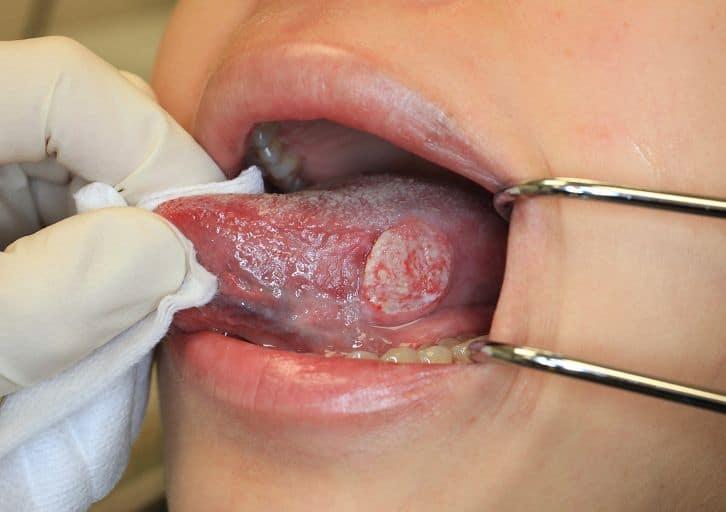
- A pearly or waxy lump on the face, ears, or neck.
- Sores that repeatedly bleed or fail to heal.
- A rough, scaly patch that may itch, bleed, or develop a crust over time.
Stages of Skin Cancer
Skin cancer staging depends on whether the cancer is melanoma or non-melanoma.
Melanoma Staging
Stage 0
Melanoma remains confined to the outer layer of the skin (epidermis).
Stage I
The melanoma is localized and carries a low risk of spreading. Surgery is usually highly effective at this stage.
Stage II
There is no clear evidence that the cancer has spread, but certain features indicate an increased risk of recurrence.
Stage III
The melanoma has spread to nearby lymph nodes or surrounding skin.
Stage IV
The cancer has spread to distant organs or tissues, including internal organs and distant lymph nodes.
Non-Melanoma Staging
Stage 0
Cancer is limited to the outermost layer of the skin.
Stage I
Cancer has spread into the upper and middle layers of the skin.
Stage II
Cancer has invaded deeper skin layers or nearby nerves.
Stage III
Cancer has spread to nearby lymph nodes.
Stage IV
Cancer has spread to distant organs such as the lungs, liver, or brain.
Treatment
Treatment depends on the type and stage of skin cancer. Common treatment options include:
- Cryotherapy
- Excisional Surgery
- Mohs Surgery
- Curettage and Electrodessication
- Chemotherapy
- Immunotherapy
- Radiation Therapy
- Photodynamic Therapy
Possible Side Effects of Treatment
Some treatment-related side effects may include:
- Swelling and pain.
- Surgical cuts or scars.
- Nerve injury that may result in temporary or permanent paralysis.
Summary
Skin cancer is one of the most common forms of cancer and usually develops due to excessive ultraviolet (UV) exposure. Recognizing early warning signs, performing regular skin examinations, and seeking prompt medical evaluation for suspicious skin changes can greatly improve treatment success. Modern treatment options provide effective management when the disease is diagnosed early.
Conclusion
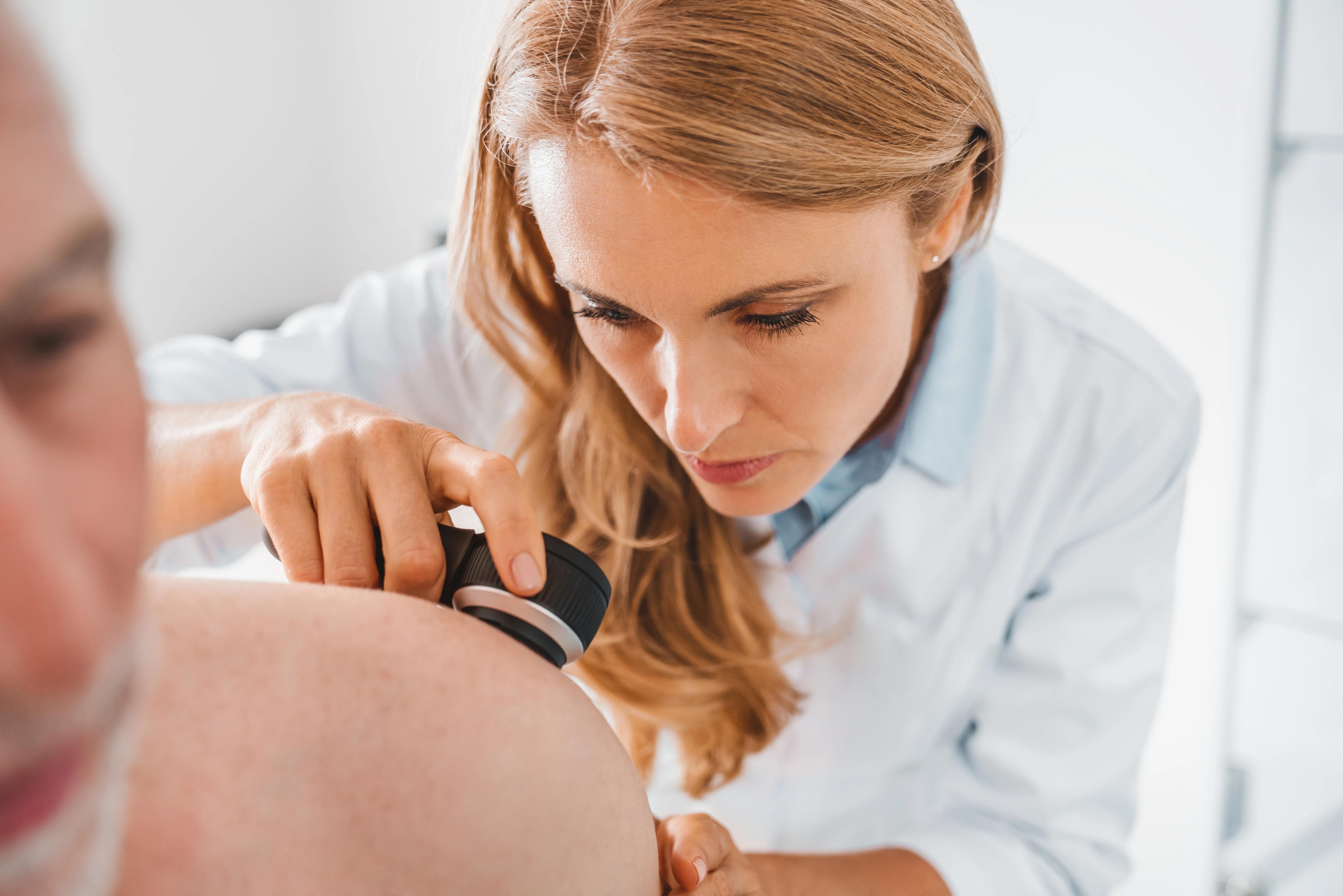
Regular skin examinations are important for maintaining healthy skin and detecting skin cancer at an early stage. If you notice any unusual spots, new growths, or changes in existing moles, consult a dermatologist as soon as possible. Limiting exposure to harsh sunlight and protecting your skin from ultraviolet (UV) rays are important steps in reducing the risk of skin cancer. Additionally, your source notes that imperfect cosmetics are a main reason of skin cancer; this statement is included here because it appears in the original material you provided.
Summary
Introduction